
The glitter of Cannes isn’t just about red carpets and film premieres. Every year, as the festival draws global attention, so does a quieter, less talked-about side of the event: the escort industry. People come for the movies, but some stay for other reasons. What you see on the surface - designer dresses, champagne toasts, paparazzi flashes - hides a complex ecosystem that operates in the shadows. And yes, it’s real. Not fantasy. Not fiction. Real people, real contracts, real risks.
If you’ve ever wondered how these services operate in high-profile cities, you might have come across london escort girl reviews online. Those reviews aren’t just about London. They’re a window into how the industry functions across Europe - from London to Paris to Cannes. The same patterns show up: discretion, pricing tiers, vetting processes, and client expectations. What works in one city often mirrors what happens in another, even if the settings change.
How It Works in Cannes
In Cannes, escorts aren’t just hired for dates. They’re hired for presence. A client might want someone who can walk into a villa party and blend in - someone who knows how to hold a conversation about art films, not just smile and nod. The best ones aren’t just attractive. They’re educated. Many speak three or four languages. Some have degrees in international relations or hospitality. They know how to handle VIPs, how to read a room, and how to disappear when the moment ends.
Unlike what movies show, there’s no sleazy back alley meeting. Most bookings happen through private agencies with strict protocols. Clients pay upfront. Escorts get background checks. Contracts are signed. Some agencies even require health certificates. The most reputable ones don’t tolerate last-minute cancellations or unprofessional behavior. Reputation is everything. One bad review, and your name is out of circulation.
The Real Cost of Being There
Don’t believe the inflated prices you see on sketchy websites. In Cannes, rates vary based on experience, language skills, and availability. A basic 2-hour meet-up might start at €800. A full day with dinner and event attendance? That’s €2,500 to €5,000. Top-tier escorts - those who’ve worked with celebrities or high-net-worth individuals - can charge €10,000 or more for a weekend. But here’s the catch: most of that money doesn’t go to the escort. Agencies take 40% to 60%. The rest covers taxes, travel, wardrobe, security, and sometimes therapy.
Many escorts work only during festival season. They live in other cities the rest of the year - Berlin, Prague, Madrid. Some are students. Others are former models or actresses. A few are ex-lawyers or consultants who found this path after burnout. The job isn’t glamorous. It’s exhausting. Long hours. Constant vigilance. Emotional labor. You’re not just a body. You’re a performance.
Why People Hire Them
It’s not always about sex. In Cannes, it’s often about status. A man who’s never been to the festival might hire an escort to feel like he belongs. A woman might want company because her partner is working late. Some clients are lonely. Others are afraid of being alone in a crowd of strangers. There’s also the quiet reality: many of these clients have money but no real social circle. They don’t know how to make friends. So they pay for companionship.
Some escorts say the most rewarding part isn’t the money - it’s the conversations. A Russian tech billionaire telling her about his childhood in Siberia. A French director explaining why he quit Hollywood. A retired diplomat sharing stories from the Cold War. These aren’t just transactions. They’re fleeting human connections in a place built on illusion.
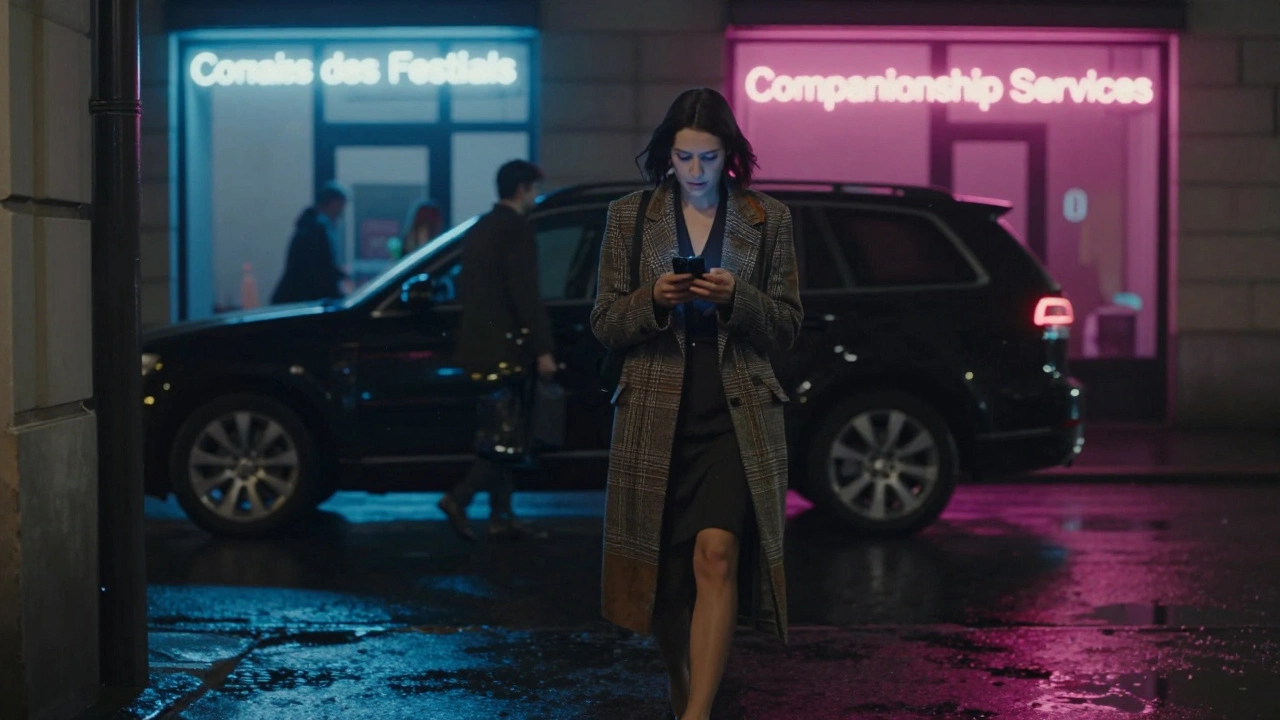
The Risks Nobody Talks About
There’s a reason most escorts never post their faces online. The legal gray zone is dangerous. In France, prostitution itself isn’t illegal, but soliciting, pimping, and operating brothels are. That means agencies walk a tightrope. They call themselves “companion services.” They avoid explicit ads. They use coded language. But law enforcement still cracks down - especially during festival season. One raid, one leaked photo, one angry client, and everything can collapse.
And then there’s the personal cost. Many escorts struggle with PTSD. They’ve seen things - drunken outbursts, blackmail attempts, even violence. Some leave after one season. Others stay for years. Therapy is expensive. Support networks are rare. And stigma? That follows them everywhere - even after they quit.
What You Won’t See on Social Media
Instagram posts show perfect makeup, designer gowns, and smiling faces beside luxury cars. But they don’t show the 3 a.m. panic attacks. They don’t show the Uber rides home after a client passes out. They don’t show the texts from family asking, “Are you okay?” - and the silence that follows.
There’s a myth that these women are all in it for the money. But money doesn’t fix trauma. It doesn’t heal loneliness. It doesn’t erase the fear of being recognized at a grocery store in Lyon six months later.

What About London?
People often compare Cannes to London. The truth? They’re different worlds. In London, escort services are more normalized. There are hundreds of agencies. Online reviews are common. You can find
North London, in particular, has a high concentration of agencies catering to corporate clients. These are often professionals - lawyers, bankers, tech managers - who want discretion. The vibe is different: less flashy, more clinical. Appointments are booked via encrypted apps. Payment is via crypto or bank transfer. No cash. No receipts. No trace.
That’s why
Final Thoughts
The escort industry in Cannes isn’t going away. It’s too tied to the culture of wealth, secrecy, and performance that the festival thrives on. But it’s not something to romanticize. It’s a service born out of loneliness, pressure, and economic necessity. The women who do this work are not stereotypes. They’re individuals with complex lives, hidden struggles, and quiet strengths.
If you’re curious about this world, don’t look for sensational videos or clickbait headlines. Look for interviews. Look for memoirs. Look for the quiet voices that speak up after they’ve left the industry. That’s where the truth lives - not in the glitter, but in the silence after the lights go out.